Ever wondered how choosing the right steel wire rope can save you money in the long run?
Steel wire ropes might seem pricey upfront, but their unmatched durability, resistance to corrosion, and high load capacity often translate to fewer maintenance costs and a lower total cost of ownership over time.
When I first started managing procurement for our projects, I was overwhelmed by the choices. I remember weighing the upfront costs against long-term benefits, feeling like I was at a crossroads. I discovered that while steel wire ropes come with a higher initial price tag, the investment pays off with their longevity and reliability. Join me as I delve into why investing in top-quality steel wire ropes can be a game-changer for your budget and peace of mind.
Steel wire ropes have higher initial costs than alternatives.True
Steel wire ropes are initially more expensive due to material quality.
Alternatives to steel wire ropes offer better load capacity.False
Steel wire ropes provide superior load capacity compared to alternatives.
Why Choose Steel Wire Rope for Heavy-Duty Jobs?
I still remember my first encounter with steel wire rope on a bustling construction site. It was love at first sight—something about its sheer strength and reliability left a lasting impression.
Steel wire rope stands out in heavy-duty applications because of its impressive tensile strength, durability, and ability to withstand tough conditions. Its unique construction ensures effective load-bearing with minimal stretching, providing unmatched reliability and safety.

Understanding the Construction of Steel Wire Rope
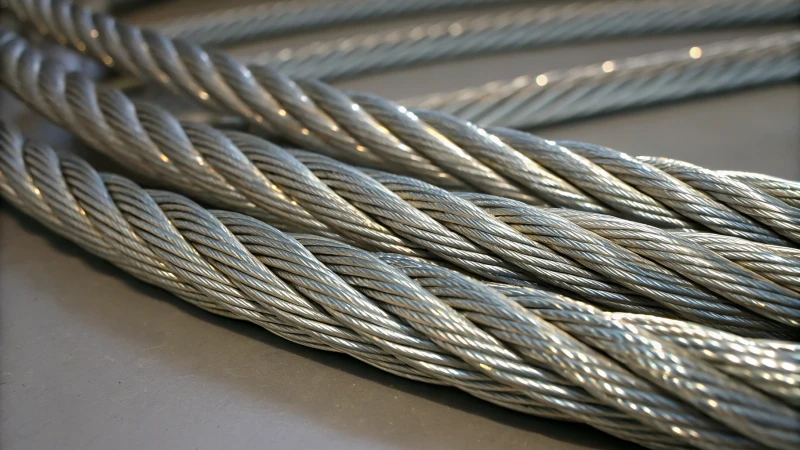
When I first learned about steel wire rope, I was amazed by its intricate design—multiple strands of steel wires twisted into a strong helix. Each strand, typically crafted from high-carbon steel, contributes to its impressive tensile strength1. For anyone involved in lifting or pulling heavy loads, this feature is indispensable.
| Component | Material | Function |
|---|---|---|
| Core | Steel/Fiber | Provides support and stability |
| Strands | Steel Wires | Offer flexibility and strength |
| Wire | High-Carbon Steel | Ensures tensile capacity |
Durability and Resistance
In my experience, whether on a construction site or in a mining operation, the durability of steel wire ropes shines through, especially under harsh conditions. With their enhanced corrosion resistance2 thanks to galvanization or zinc coating, these ropes last longer—even in challenging marine environments—reducing maintenance headaches over time.
Load-Bearing Capacity
One thing I've always appreciated about steel wire ropes is their steadfast nature under pressure. Unlike synthetic ropes that can stretch or wear out quickly, steel wire ropes maintain their integrity under stress. This is non-negotiable in industries like mining and construction, where safety and reliability are paramount.
Versatility in Applications
From lifting to rigging, hoisting to towing, steel wire ropes are true all-rounders. Their versatility comes from various constructions, such as 6x193 or 6x37 configurations4, each tailored to specific needs like flexibility or abrasion resistance.
Comparative Analysis with Synthetic Ropes
I've seen firsthand how synthetic ropes offer perks like being lightweight and non-conductive, yet they can't match the load-bearing capacity and temperature resilience of steel wire ropes. Here's a side-by-side look:
| Feature | Steel Wire Rope | Synthetic Rope |
|---|---|---|
| Load Capacity | High | Medium |
| Temperature Resistance | Excellent | Limited |
| Stretch/Elongation | Minimal | Higher |
Choosing steel wire rope often comes down to the specific requirements5 of the job—safety standards, environmental conditions, and the need for dependable performance that synthetic options simply can't deliver.
Steel wire rope has superior tensile strength.True
Steel wire rope is made of high-carbon steel, providing exceptional tensile strength.
Synthetic ropes have higher temperature resistance than steel.False
Steel wire ropes have excellent temperature resistance compared to synthetic ropes.
How Does the Durability of Steel Wire Rope Influence Long-Term Costs?
Imagine saving money and ensuring safety with one simple investment. That’s the power of durable steel wire ropes.
Durable steel wire ropes significantly reduce long-term costs by decreasing the need for frequent replacements and maintenance, thus offering improved performance and safety. Opting for high-quality ropes leads to a lower total cost of ownership over time.
The Role of Material Quality in Durability
The material used in steel wire ropes greatly affects their durability. I once found myself on the brink of a major project deadline, with everything hinging on the reliability of our equipment. The steel wire ropes we had invested in were made from high-performance alloy steels, boasting superior corrosion resistance and load capacity. This decision paid off in spades, reducing our replacement needs and saving both time and stress.
Impact of Usage Environment
Working in challenging environments like marine or mining sectors taught me the importance of choosing materials that can withstand extreme conditions. Steel wire ropes used in such harsh environments require enhanced durability to withstand these conditions. Corrosion resistance is crucial, and opting for galvanized steel can significantly reduce deterioration.
| Environment | Recommended Material | Benefits |
|---|---|---|
| Marine | Galvanized Steel | High corrosion resistance |
| Mining | Alloy Steel | Excellent load capacity |
I remember a particularly tough project offshore where we opted for galvanized steel ropes. Their corrosion resistance was remarkable, which kept us on schedule and within budget.
Cost-Benefit Analysis of Long-Term Investment
Initially, I hesitated at the higher upfront costs of quality steel wire ropes. However, an analysis revealed they could decrease our total cost of ownership by up to 25% compared to standard options. This insight transformed how I viewed procurement decisions, focusing more on long-term gains.
Maintenance and Replacement Frequency
In my experience, regular maintenance is crucial, but it's a relief to know that high-quality ropes demand less frequent attention. Regular maintenance extends the lifespan of steel wire ropes; however, high-quality ropes require less frequent upkeep. This not only saves on maintenance costs but also minimizes operational downtime, which was critical during peak construction phases.
Safety and Compliance Considerations
Safety has always been paramount in my projects. Investing in durable ropes ensured compliance with industry standards (industry compliance resources6), reducing risks and potential legal costs. I remember consulting industry compliance resources to ensure we were always ahead of the curve, providing peace of mind for both me and my team.
Galvanized steel ropes have higher corrosion resistance.True
Galvanized steel is treated to resist rust, enhancing durability in harsh environments.
High-quality ropes increase operational downtime.False
High-quality ropes require less maintenance, reducing operational downtime.
Are there alternatives to steel wire rope that offer better value?
When I first heard about synthetic ropes as an alternative to steel wire, I was intrigued. Could these lightweight wonders really offer the same strength and durability?
Synthetic ropes, such as HMPE and Dyneema, often outperform traditional steel wire ropes due to their lightweight, corrosion-resistant nature and high tensile strength. They provide better value in applications like marine or construction where these features are crucial.

Exploring Synthetic Ropes as Alternatives
I remember the first time I saw a synthetic rope in action during a marine project. It was fascinating how this thin, feather-light rope could hold its own against the harsh sea conditions. High-Modulus Polyethylene (HMPE) and Dyneema ropes, in particular, have been game-changers. Their strength-to-weight ratio is nothing short of impressive, making them perfect for marine environments7 where corrosion is a constant enemy. And in construction, handling these ropes is a breeze compared to their steel counterparts.
| Feature | Steel Wire Rope | Synthetic Rope |
|---|---|---|
| Weight | Heavy | Lightweight |
| Corrosion Resistance | Low | High |
| Tensile Strength | High | Very High |
Cost Efficiency and Long-Term Benefits
Initially, I was skeptical about the cost of synthetic ropes. Yes, they can be pricier upfront, but when I crunched the numbers over the long haul, the savings were clear. Synthetic ropes don't rust, meaning fewer replacements and consistent performance over time. For industries like offshore drilling or mining, where elements are relentless, this longevity can be a real game-changer in reducing total ownership costs8.
Environmental Impact and Safety Considerations
As someone who values sustainability, I was thrilled to learn about the environmental benefits of synthetic ropes. Not only do they last longer, reducing waste, but they are also recyclable. Plus, they reduce safety risks by eliminating the snap-back hazard of steel wires under tension—a big relief for anyone who's ever witnessed such incidents firsthand.
For industries striving for sustainable practices, these ropes align perfectly with corporate responsibility goals. Imagine a construction company9 slashing its environmental impact without sacrificing performance—it's a win-win.
Suitability Across Different Applications
In sectors like logistics and shipping, synthetic ropes shine with their flexibility and load-bearing capabilities. I recall a logistics project where switching to synthetic ropes not only improved operational efficiency but also reduced labor costs due to easier handling.
By understanding these unique advantages, procurement managers can make decisions that align with their strategic goals. Considering factors such as cost, environmental impact, and specific application needs can lead to outcomes that boost both productivity and sustainability.
Synthetic ropes are more corrosion-resistant than steel wire ropes.True
Synthetic ropes resist corrosion better due to materials like HMPE and Dyneema.
Steel wire ropes have a higher tensile strength than synthetic ropes.False
Synthetic ropes often have higher tensile strength, especially HMPE and Dyneema.
What should I consider when choosing a steel wire rope supplier?
I still remember the first time I had to choose a steel wire rope supplier for a major project. The stakes were high, and I knew I had to get it right.
When evaluating steel wire rope suppliers, I focus on product quality, safety certifications, price, delivery timelines, and after-sales support. These elements are crucial to ensure the supplier aligns with both operational and safety needs.
Product Quality and Certifications
Thinking back to my own experiences, product quality is where I always start. Once, during a high-stakes project, using ropes that met ISO 9001 and EN 12385-410 standards made all the difference. These certifications assured me of the durability and performance of the ropes—meaning fewer headaches and less downtime for my team.
Safety Standards Compliance
Safety is something I never compromise on. I remember a time when a colleague didn’t check for OSHA guidelines11 compliance, and it nearly led to a serious accident. Since then, I’ve made it a point to ensure every supplier meets relevant safety standards to mitigate risks.
| Factor | Description | Importance |
|---|---|---|
| Product Quality | Adheres to industry standards | High |
| Safety Compliance | Meets OSHA regulations | Critical |
Cost-effectiveness
I learned early on that looking beyond initial costs is crucial. High-performance ropes might seem costly upfront, but they’ve saved me money in the long run by reducing replacements and maintenance. Evaluating suppliers who provide transparent pricing and cost analysis12 has helped me make smarter choices.
Delivery Timelines and Reliability
Reliable delivery is non-negotiable for me. Delays can disrupt project timelines significantly, something I've experienced firsthand. I look for suppliers with a proven track record of timely deliveries to keep everything running smoothly.
After-Sales Support
Having strong after-sales support is invaluable. I recall a situation where technical support from our supplier was a lifesaver in resolving an unexpected issue quickly. That experience taught me to choose suppliers who offer comprehensive customer service13.
When evaluating suppliers, I take a holistic view, considering these factors to make informed decisions that align with my operational needs.
ISO 9001 certification is mandatory for steel wire ropes.False
ISO 9001 is a quality standard, not mandatory, but often preferred.
Compliance with OSHA guidelines reduces accident risks.True
Adhering to OSHA guidelines ensures safety, minimizing accident risks.
Conclusion
Steel wire ropes, though initially costly, offer long-term savings through durability and low maintenance, making them a wise investment for heavy-duty applications in construction and mining.
-
Discover detailed insights into the tensile strength characteristics of steel wire ropes, essential for evaluating their performance in demanding applications. ↩
-
Learn how galvanization enhances the corrosion resistance of steel wire ropes, extending their lifespan in harsh environments. ↩
-
Explore the advantages of a 6x19 wire rope configuration, known for its balance between flexibility and strength. ↩
-
Understand the specific applications of 6x37 wire rope construction, ideal for scenarios requiring superior abrasion resistance. ↩
-
Get guidance on selecting the appropriate rope material based on your application's specific requirements and conditions. ↩
-
Explore comprehensive guidelines on safety standards for steel wire ropes to ensure compliance and minimize risks. ↩
-
Discover how synthetic ropes resist corrosion and perform well under marine conditions. ↩
-
Learn how the longevity of synthetic ropes leads to cost savings over time. ↩
-
Explore the eco-friendly advantages of synthetic ropes for sustainable building projects. ↩
-
Understanding EN 12385-4 helps ensure that wire ropes meet required safety and quality standards for engineering applications. ↩
-
OSHA guidelines provide crucial safety requirements for using steel wire ropes in various industrial settings. ↩
-
A cost analysis aids in evaluating the true cost-effectiveness of different steel wire rope options over time. ↩
-
Exploring customer service offerings helps ensure ongoing support and efficient problem-solving post-purchase. ↩