
What Are the Key Factors That Affect the Tensile Strength of Steel Wire Rope?
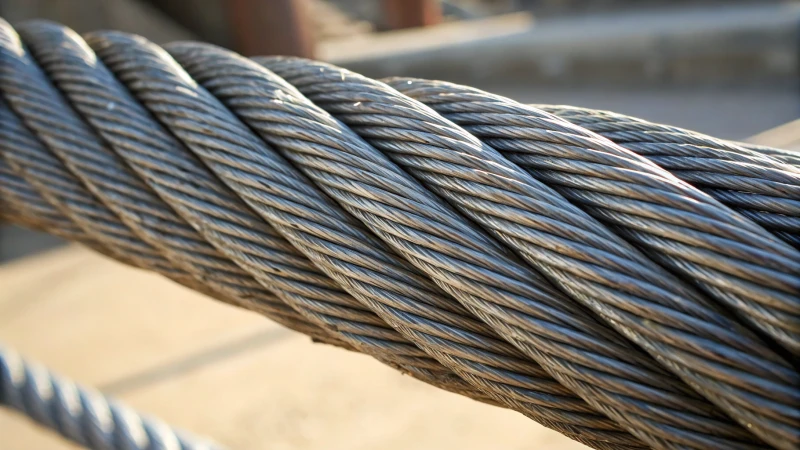
The tensile strength of steel wire ropes is determined by several key factors including material composition, construction type, weaving method, and diameter. High-strength alloys and specific constructions like 6×19 or 6×36 enhance performance. Larger diameters typically provide greater load-bearing capacity. Understanding these elements is vital for making informed decisions in industries such as construction and mining. Material choices impact durability and flexibility while construction types influence both strength and maneuverability. Weaving methods also play a role in determining how well the rope performs under different conditions. This comprehensive overview helps procurement managers select the most suitable steel wire ropes for their specific operational needs.
How Does Steel Wire Rope Lubrication Impact Elevator Performance?

Lubrication is crucial for maintaining the performance and safety of elevators. It reduces friction between steel wire ropes, preventing wear and corrosion while enhancing flexibility. Choosing the right lubricant—whether mineral-based, synthetic, or solid—can extend the lifespan of these ropes by 20-25%. Advanced lubricants are particularly effective in high-speed elevators or harsh environments. Regular maintenance not only ensures smooth operation but also leads to significant cost savings by reducing the need for frequent repairs and replacements. Understanding the specific requirements of your elevator system can transform maintenance strategies and improve overall efficiency.
How Can You Effectively Monitor and Diagnose Steel Wire Ropes in Elevators?
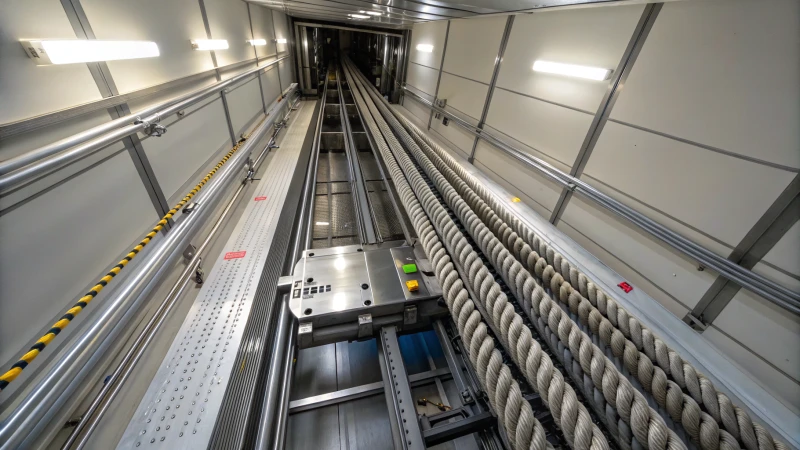
Effective monitoring and diagnosis of steel wire ropes in elevators are crucial for safety. By employing advanced technologies such as fiber-optic sensors and ultrasonic testing, operators can detect early signs of wear, corrosion, or breakage. These tools provide real-time data on load cycles, tensile stress, and overall rope health. This proactive approach not only minimizes unexpected maintenance needs but also significantly reduces downtime and extends the lifespan of the ropes. Integrating IoT systems further enhances monitoring capabilities, allowing for remote diagnostics and better operational efficiency. Regular inspections combined with these technologies ensure compliance with safety regulations while providing peace of mind to users.
How Do High-Tensile Steel Wire Ropes Enhance Elevator Efficiency?
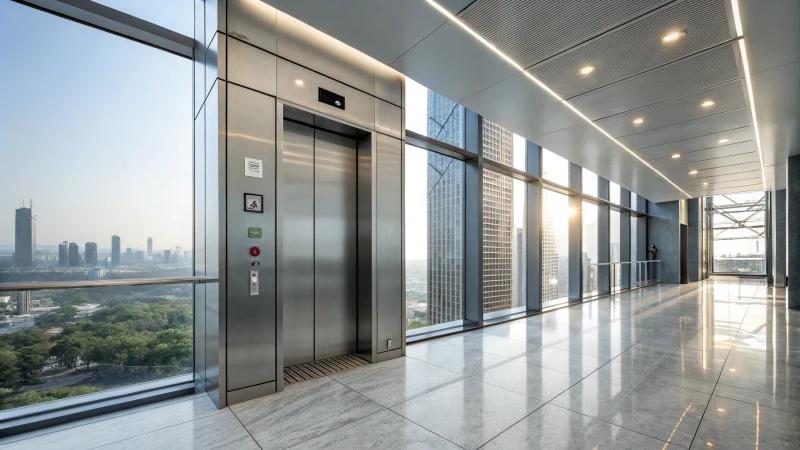
High-tensile steel wire ropes are revolutionizing elevator systems by enhancing efficiency through reduced weight, increased load capacity, and lower energy consumption. These ropes minimize friction compared to conventional options, leading to smoother rides and substantial operational cost reductions. Their superior tensile strength ensures reliability in high-rise buildings while extending service life and reducing maintenance needs. With energy savings of up to 15%, high-tensile ropes not only improve performance but also contribute to sustainable practices in construction. As urban environments demand more efficient solutions, these innovative materials are set to shape the future of elevator technology.
How Can You Prevent Corrosion in Elevator Steel Wire Ropes?
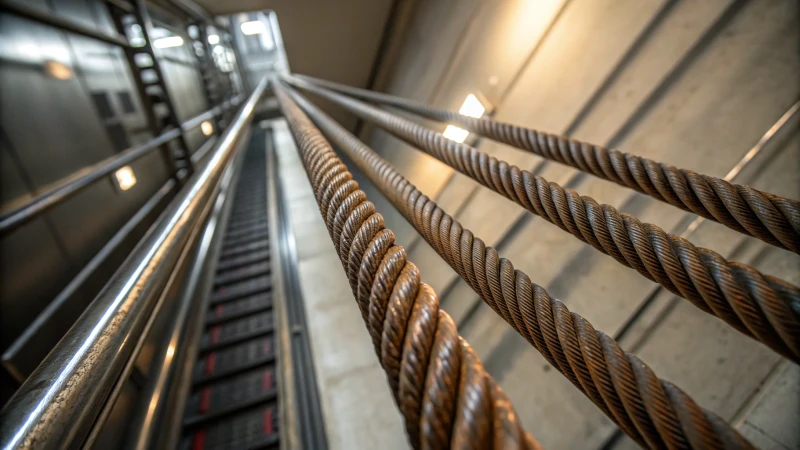
Corrosion can significantly undermine the strength of elevator steel wire ropes. To combat this issue, effective prevention methods include galvanization, which applies a protective zinc coating; polymer coatings that offer superior resistance in humid or marine environments; and the use of stainless steel alloys known for their exceptional corrosion resistance. Each method has unique advantages: galvanized ropes provide good protection against rust, while polymer-coated options excel in high-humidity areas, offering up to 50% better resistance. Stainless steel ropes are ideal for harsh conditions due to their high tensile strength and longevity. Regular inspections, proper lubrication, timely component replacement, and appropriate storage conditions further ensure the reliability and safety of these essential components in elevators.
How Do Environmental Conditions Affect Elevator Steel Wire Rope Performance?
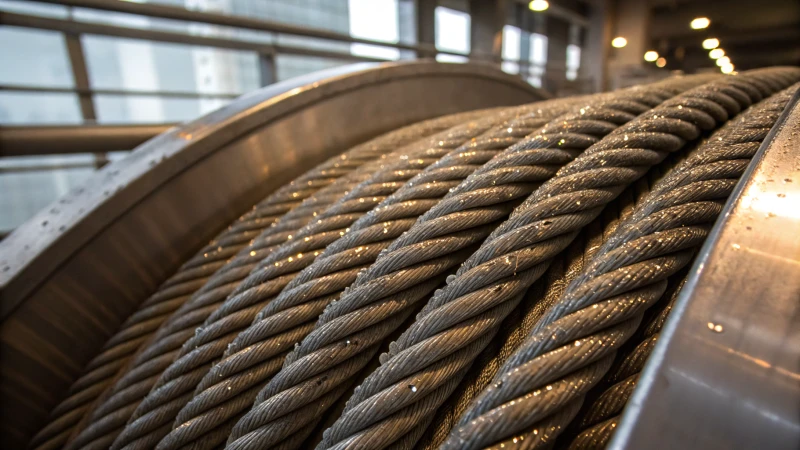
This article explores how environmental factors such as humidity, temperature extremes, and salinity affect the performance of elevator steel wire ropes. High humidity accelerates corrosion while extreme temperatures can cause brittleness or overheating. To mitigate these effects, using corrosion-resistant coatings and temperature-compensating alloys is essential for maintaining rope integrity. Regular inspections and proper storage techniques are also crucial in prolonging the lifespan of these vital components. By understanding these challenges and implementing effective strategies, operators can ensure safety and efficiency in their lifting operations.
How Does Steel Wire Rope Enhance Elevator Safety Systems?
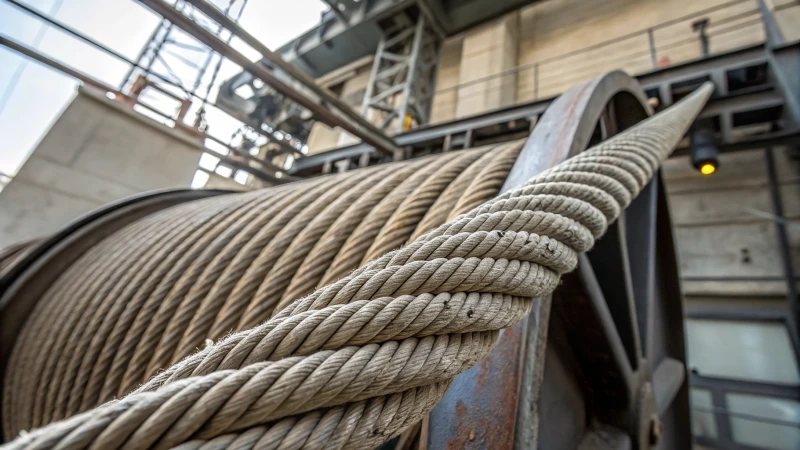
Steel wire ropes play a crucial role in elevator safety systems, offering unmatched strength and flexibility. Built to ISO 4344 standards, these ropes significantly reduce the risk of falls during sudden stops or emergencies. Their intricate construction balances tensile strength with elasticity, ensuring they can withstand unexpected loads. Regular maintenance is vital for optimal performance, including inspections and lubrication to prevent wear. Innovations like superalloy compositions and dynamic load testing enhance their durability further. Understanding these elements is essential for procurement managers in construction and mining industries who prioritize safety and reliability in their operations.
How to Maintain and Lubricate Elevator Steel Wire Ropes Effectively?
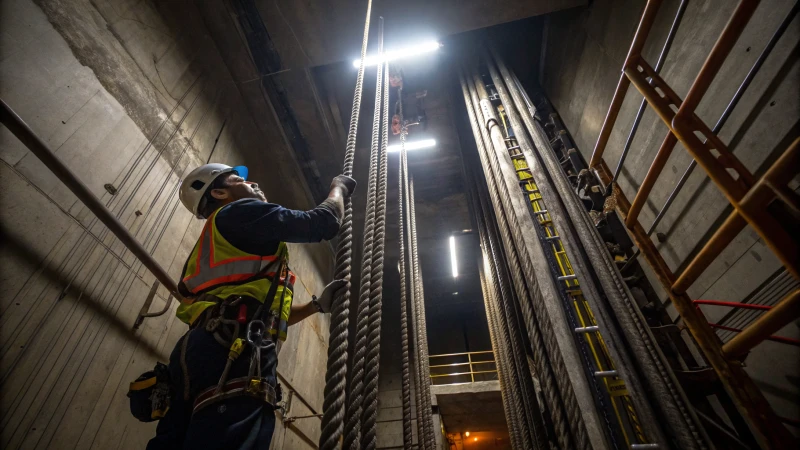
Maintaining and lubricating elevator steel wire ropes is essential for ensuring safety and longevity. Regular application of high-quality lubricants reduces friction, corrosion, and fatigue, potentially extending the ropes’ lifespan by up to 30%. Grease-based or oil-based sprays with anti-corrosion additives are recommended for optimal performance. Factors such as usage intensity, environmental conditions, and rope type influence lubrication frequency. Automated lubrication systems can provide consistent maintenance while minimizing human error. Adhering to ISO 4344 standards ensures compliance with best practices in rope care. This guide offers insights into selecting the right lubricants and implementing effective maintenance strategies to keep elevators running smoothly.
How Do Overhead Limitations Impact Steel Wire Rope Selection?
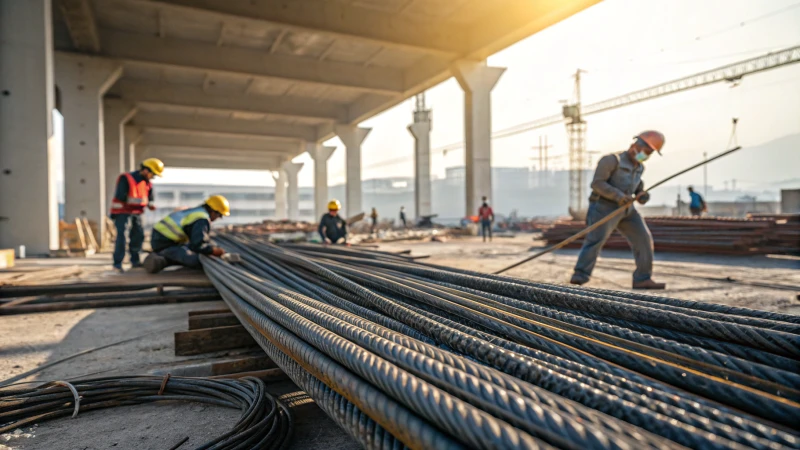
Selecting the right steel wire rope is crucial for safety and efficiency in construction. Overhead limitations dictate the allowable rope length, tensile strength, and weight. Longer ropes can lead to slackness and friction, reducing performance. High-strength, lightweight materials are preferred to optimize functionality under constraints. Key factors include tensile strength for load capacity, flexibility for bending applications like cranes, fatigue resistance for longevity under cyclic loading, and environmental durability against corrosion. Innovations such as high-tensile synthetic fibers and advanced coatings enhance durability while reducing weight. Understanding these elements ensures that procurement managers make informed choices that align with operational needs while maintaining safety standards.
How Does Pre-Tensioning Steel Wire Rope Enhance Elevator Safety?

Pre-tensioning steel wire ropes is a crucial technique in elevator systems that significantly enhances safety and performance. By applying a preload to the ropes, this method minimizes slack and elongation while improving load distribution. This results in increased dynamic stability and durability of the ropes, ultimately preventing mechanical failures and extending the lifespan of elevator components by up to 30%. The benefits of pre-tensioning include enhanced load distribution, improved safety standards compliance, and cost-effectiveness through reduced maintenance needs. As industries continue to innovate, pre-tensioning technology promises even greater advancements in safety and efficiency for elevators.