
How Temperature Resistant Is Steel Wire Rope for Heavy Machinery?
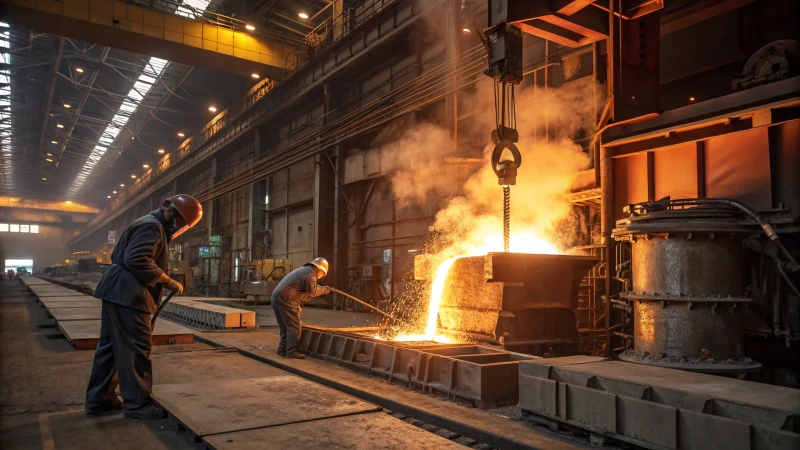
Steel wire ropes are essential for heavy machinery operations, designed to endure extreme temperatures. Utilizing heat-treated steel and specialty alloys enhances their resilience. Advanced coatings further protect against thermal stress, extending lifespan and performance. Understanding material properties is crucial for industries like construction and mining where temperature fluctuations can lead to equipment failure. This guide explores the importance of selecting the right steel wire rope based on temperature resistance, coating options, and environmental challenges to ensure safety and efficiency in demanding applications.
What Are the Best Coatings for Steel Wire Rope in Heavy Machinery?

This article explores the best coatings for steel wire ropes used in heavy machinery. Polyurethane (PU) and polyvinyl chloride (PVC) are highlighted for their superior flexibility, abrasion resistance, and protection against harsh environmental conditions. PU offers excellent durability under extreme temperatures and is ideal for industrial applications, while PVC provides moisture protection at a lower cost. The benefits of each coating are discussed along with their applications across various industries such as construction and mining. Regular maintenance practices like inspections and proper storage are emphasized to extend the lifespan of coated wire ropes.
How Flexible is Steel Wire Rope for Heavy Machinery Applications?
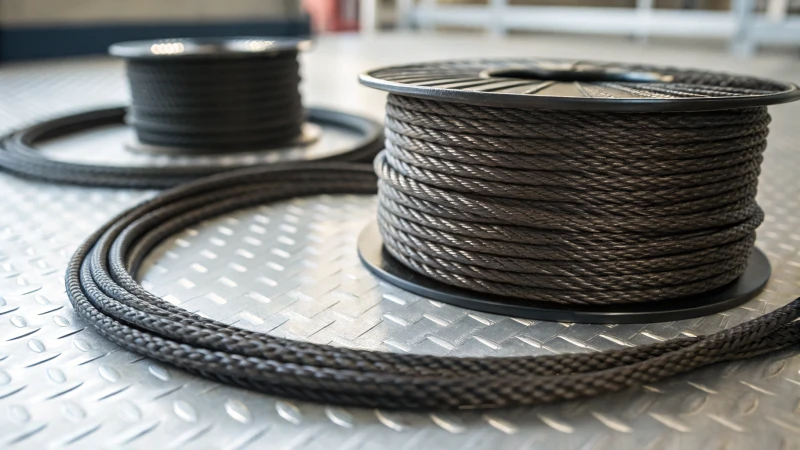
Steel wire ropes are essential in heavy machinery applications due to their remarkable flexibility, strength, and durability. Their design allows for smooth winding and unwinding, minimizing wear on machine components. With advancements in manufacturing techniques, these ropes adapt to various industrial needs while ensuring safety and reliability. The number of wires per strand, strand patterns, and core materials significantly influence their performance. Industries such as construction and mining benefit from the enhanced maneuverability provided by flexible steel wire ropes. As technology evolves, the demand for these adaptable components is expected to rise, making them a crucial choice for procurement managers seeking efficiency and longevity in equipment operations.
What Are the Essential Safety Standards for Steel Wire Rope in Heavy Machinery?
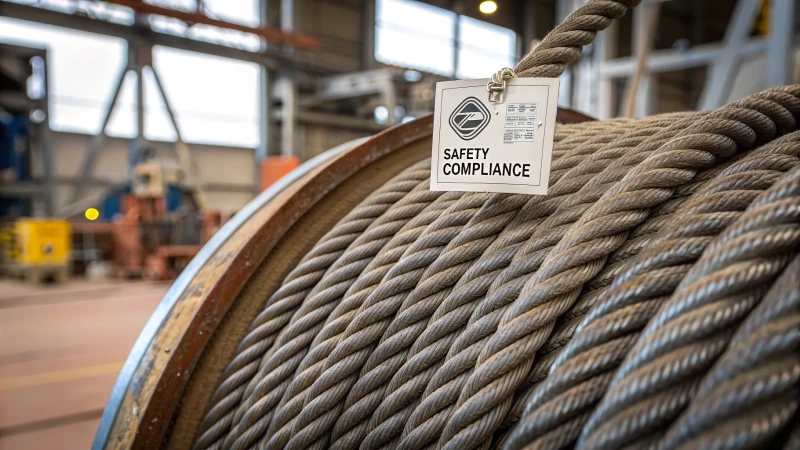
This article discusses the essential safety standards for steel wire ropes used in heavy machinery, focusing on ISO 2408 compliance. It highlights the importance of tensile strength, elongation, and fatigue resistance to prevent equipment failures and enhance workplace safety. Regular inspections and adherence to OSHA regulations are also emphasized as critical practices for maintaining rope integrity. The piece shares personal experiences from procurement managers who stress the significance of quality materials and compliance with international standards to ensure safe operations in construction and mining industries.
What Is the Load Capacity of Steel Wire Rope for Heavy Machinery?
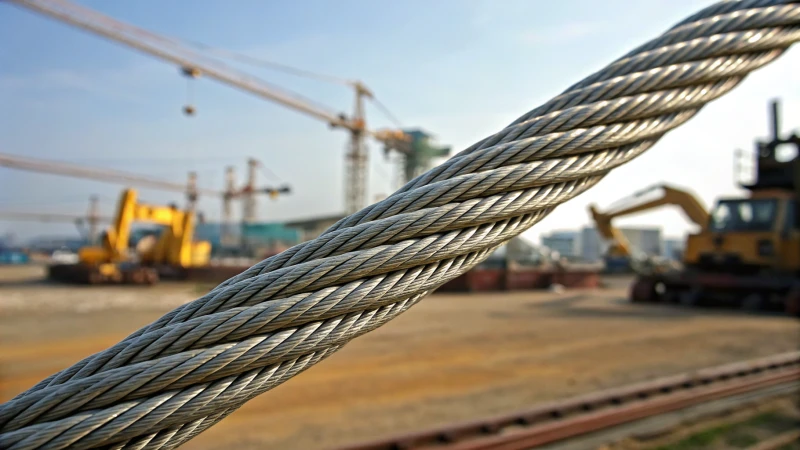
Steel wire ropes are essential for heavy machinery, capable of supporting loads up to 200 tons. Their load capacity is influenced by design elements such as diameter, construction type, and core composition. Understanding these factors is crucial for selecting the right rope to ensure safety and efficiency in lifting operations. Regular inspections and adherence to industry standards like OSHA and ISO enhance operational safety. This guide explores the importance of choosing the correct steel wire rope based on load capacity, environmental conditions, abrasion resistance, and fatigue life while emphasizing the need for reliable suppliers who prioritize quality and compliance with safety regulations.
How Does Steel Wire Rope Provide Corrosion Resistance for Heavy Machinery?
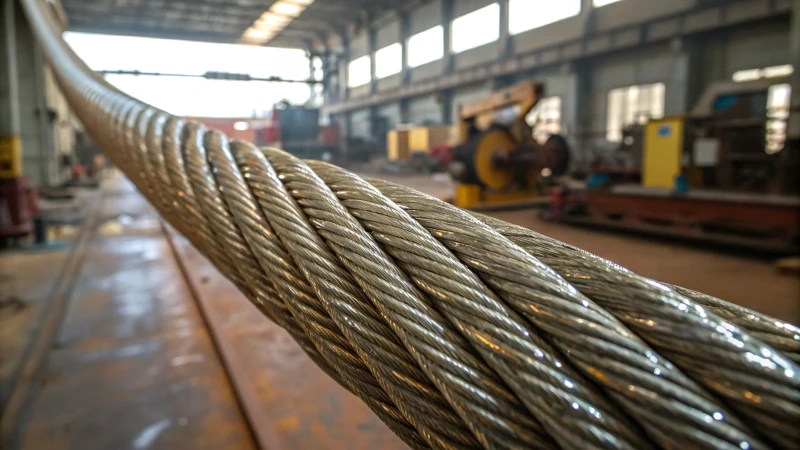
Steel wire ropes are essential for heavy machinery, particularly in industries like construction and mining. Their susceptibility to corrosion can lead to significant maintenance costs and safety hazards. To combat this, protective coatings such as galvanization, PVC, and nylon are employed to shield the steel from environmental damage. Galvanized coatings provide a zinc layer that acts as a barrier against moisture, while PVC and nylon offer flexibility and additional protection against chemicals. Stainless steel is also an excellent option for extreme conditions due to its inherent rust resistance. By understanding these materials’ benefits, procurement managers can make informed decisions that ensure safety, longevity, and cost-effectiveness in their operations.
How Durable is Steel Wire Rope for Heavy Machinery?

Steel wire ropes play a crucial role in heavy machinery applications due to their remarkable durability. Made from high-carbon steel and often coated with materials like galvanized or PVC, these ropes can last up to 30% longer than uncoated options. Their robust construction minimizes maintenance needs and downtime, making them economically advantageous for industries such as construction and mining. Factors influencing the lifespan of steel wire ropes include material quality, environmental conditions, load capacity, installation techniques, and regular maintenance practices. Understanding these elements helps ensure optimal performance and safety in demanding operational settings.
What Are the Strength Requirements of Steel Wire Rope for Heavy Machinery?
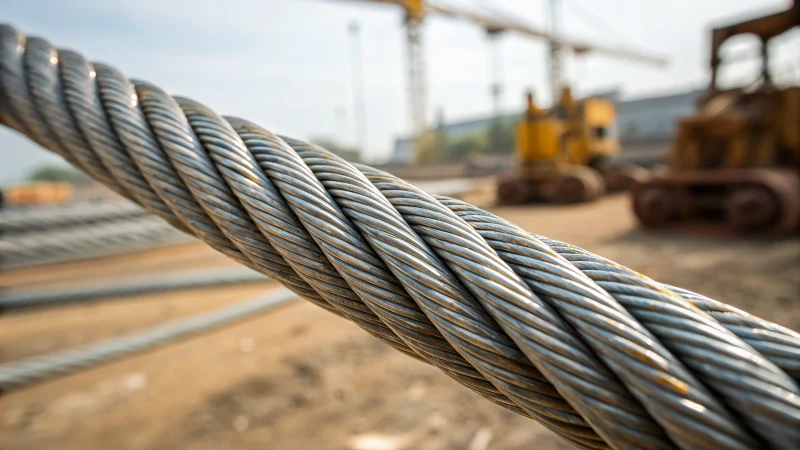
Steel wire ropes are crucial for heavy machinery, requiring high tensile strength to support extreme loads. Their performance is measured by breaking load capacity, with top-quality ropes handling over 100 tons. Innovations in materials and engineering enhance their durability and safety. Understanding specifications like diameter, material composition, and compliance with safety standards is essential for procurement managers in construction and mining industries. Regular inspections ensure reliability under stress. Recent advancements include corrosion-resistant coatings and smart sensor technologies that monitor rope health. Selecting the right wire rope not only ensures operational efficiency but also significantly reduces risks associated with equipment failure.
How Does Intelligent Monitoring Technology Enhance Steel Wire Rope Safety in Mining Operations?

Intelligent monitoring technology is revolutionizing safety in mining operations. By utilizing smart sensors to provide real-time data on load, wear, and corrosion of steel wire ropes, these systems proactively reduce equipment downtime by 20% to 30%. This predictive maintenance approach not only prevents unexpected failures but also enhances overall operational efficiency. As the industry embraces Industry 4.0 advancements, integrating IoT capabilities into monitoring systems creates a connected ecosystem that optimizes resource management and ensures safer working environments. With early warnings about potential issues, mining operations can significantly improve safety measures while maintaining productivity.
What Are the Environmental Requirements for Steel Wire Ropes in Mining?
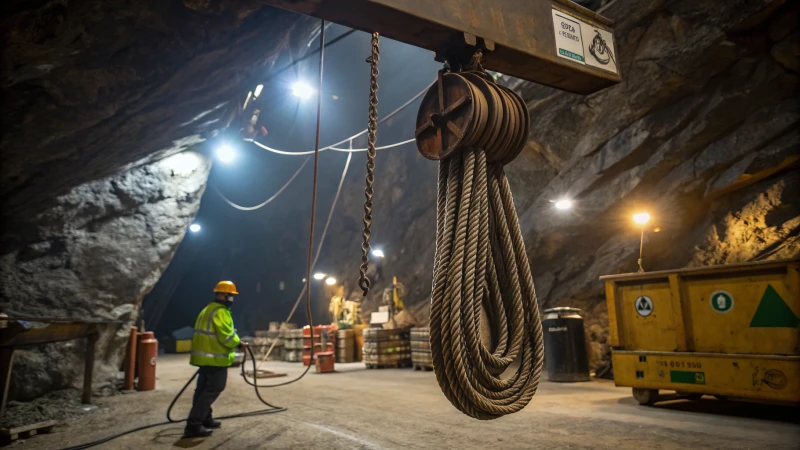
In mining, steel wire ropes play a crucial role in machinery operation. Compliance with environmental regulations such as RoHS and REACH is essential for selecting eco-friendly materials that reduce hazardous substances. This shift towards sustainable practices not only meets regulatory requirements but also enhances the industry’s commitment to minimizing its environmental footprint. Innovations like biodegradable coatings and high-strength alloys are becoming standard, reflecting a growing trend where approximately 30% of wire ropes will incorporate eco-friendly materials within five years. Regular maintenance and proper material selection further ensure durability and safety in harsh mining conditions.