Remember that moment when you lifted something way heavier than you should have?
Load capacity determines how much weight lifting equipment can safely handle, ensuring it doesn't fail or cause accidents. Exceeding this limit can compromise safety and damage the equipment.
Understanding load capacity is more than just knowing a number; it’s about ensuring the longevity and safety of your equipment. I recall a time when exceeding load limits led to not just equipment damage but also costly project delays. Let’s explore how to effectively manage these factors in your operations, ensuring both efficiency and safety.
Load capacity impacts lifting equipment's safety.True
Exceeding load capacity can lead to equipment failure, risking safety.
Load capacity does not affect operational efficiency.False
Proper load management ensures optimal performance and efficiency.
What Factors Influence the Load Capacity of Lifting Equipment?
Ever wondered what goes into determining the load capacity of lifting equipment?
The load capacity of lifting equipment is shaped by material strength, design specs, equipment condition, and environmental factors. These elements collectively define how much weight can be safely lifted.

Material Strength and Composition
You know, the first time I held a piece of lifting equipment, I was amazed at how much strength these materials pack. It's not just about lifting heavy stuff—it's about the core material. High-strength materials like alloy steel really amp up the load-bearing capacity1 of parts like wire ropes and chains. Picture this: a 20%-30% boost in strength compared to your average steel. It's like upgrading from a regular car to a sports car when you think about how much more you can handle.
Design Specifications
I remember working on a project where we had to lift some pretty hefty loads. Our team was debating whether to go with single or double-braided wire ropes. The design matters—a lot. The way these ropes are braided or the structure is reinforced can mean the difference between a successful lift and a disaster.
| Design Feature | Impact on Load Capacity |
|---|---|
| Double Braiding | Increases load distribution |
| Reinforced Frames | Enhances structural integrity |
| Advanced Alloys | Boosts overall strength |
Double-braided ropes, for instance, distribute weight so evenly it feels like magic, reducing those pesky stress points that can ruin your day.
Equipment Condition
It's funny how sometimes we forget that maintenance isn't just a nice-to-have—it's a must. I've learned the hard way that skipping inspections can lead to big headaches. Keeping those hooks and slings in tip-top shape isn't just about safety; it's about preserving that precious load capacity.
Environmental Conditions
I've seen firsthand how brutal environmental conditions can be on lifting gear. Imagine working in a place where the temperature swings wildly—those changes can really mess with the tensile strength of metal components. Knowing what you're up against helps you pick the right tools for the job.
Load Angle and Attachment Points
This one caught me off guard during my early days. Lifting isn't just about picking something up; it's about how you do it. The angle makes a world of difference. I once saw an awkwardly angled lift put unnecessary stress on our equipment—a costly lesson in geometry! Proper attachment and weight balance are your best friends here.
Understanding these factors helps us make the most out of lifting equipment across various industries. If you're keen to learn more, check out advanced lifting techniques2 and see how they can enhance equipment performance.
Alloy steel increases load capacity by 20%-30%.True
Alloy steel enhances load capacity by 20%-30% compared to standard steel.
Double-braided ropes reduce localized stress points.True
Double braiding distributes weight evenly, reducing stress points.
How Does Exceeding Load Limits Affect Equipment Safety?
Ever had one of those days where you push your luck just a bit too far? Well, exceeding load limits on equipment is kind of like that, but with way more serious consequences.
When equipment load limits are exceeded, it jeopardizes the structural integrity and heightens accident risks, leading to expensive repairs and downtime, alongside severe safety threats to workers.

The Science Behind Load Limits
Load limits are established based on the maximum weight that equipment can safely handle without risking structural failure. These limits are determined through rigorous testing and engineering principles. Just like when you're carrying groceries and know exactly how many bags you can handle before something spills, it's about material strength3 and design specifications working together to keep everything functioning smoothly.
Consequences of Exceeding Load Limits
- Structural Damage: Imagine pushing your car to the limit by overloading it for a road trip. Eventually, something's got to give—just like machinery parts that might bend or break when overloaded.
- Operational Downtime: Once, I had a project grind to a halt because a key piece of equipment failed. The downtime was not just frustrating but also a financial blow.
- Safety Risks: The thought of someone getting hurt on site because of an equipment failure is terrifying. It’s a reminder of why strict adherence to guidelines is non-negotiable.
Case Studies: Real-World Impacts
-
Construction Cranes: There was this one time I heard about a crane arm giving way because of overloading. It was a wake-up call—injuries and damages could've been avoided with better compliance. Safety audits4 revealed non-compliance with weight limits.
-
Logistics and Transportation: Exceeding load limits can make braking systems in freight vehicles unreliable, leading to accidents that are completely preventable, as documented in numerous safety reports.
Preventive Measures
| Action | Description |
|---|---|
| Regular Inspections | Ensure equipment is maintained and checked for wear and tear. |
| Training Programs | Educate workers on the importance of respecting load limits. |
| Load Monitoring Systems | Implement technologies to monitor real-time load weights. |
Understanding the importance of load limits5 isn't just about compliance; it's about safeguarding your team and ensuring that operations run smoothly without unexpected hiccups.
Exceeding load limits causes structural damage to equipment.True
Overloading leads to deformation or fractures, compromising equipment integrity.
Ignoring load limits has no effect on operational safety.False
Disregarding limits increases accident risks, endangering workers and operations.
What Are Best Practices for Maintaining Optimal Load Capacity?
Have you ever wondered how to keep your heavy-duty equipment running smoothly without a hitch?
To maintain optimal load capacity, I regularly inspect equipment, choose high-quality materials, adhere to manufacturer guidelines, and ensure staff are well-trained in load management. These practices not only enhance safety and efficiency but also extend the lifespan of our machinery.
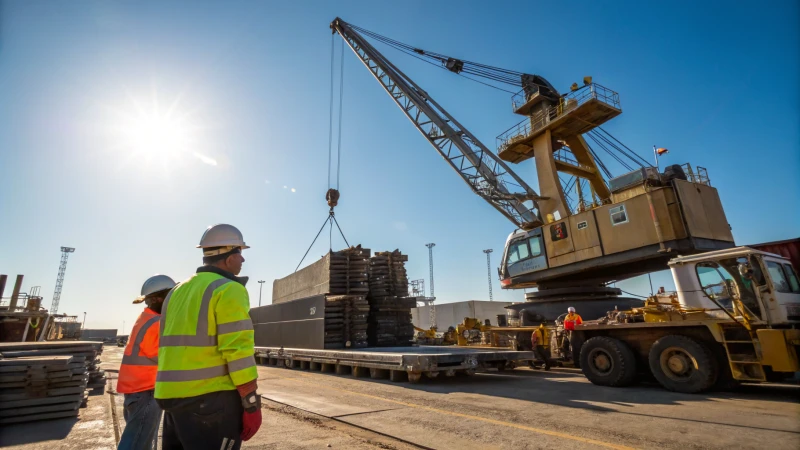
Regular Inspections and Maintenance
I remember the first time I realized the importance of regular inspections. It was during a busy construction project when a crane stalled because of an overlooked maintenance issue. Since then, I've been diligent about regular inspections6, scheduling routine check-ups that include visual assessments, non-destructive testing, and lubrication of moving parts. Keeping a maintenance log has been invaluable in tracking the health of our machinery.
Use of High-Quality Materials
Choosing the right materials is like setting a strong foundation for any project. I learned this lesson after switching to high-strength steel, which significantly improved our load capacity. Opting for materials with advanced braiding techniques and heat treatments can boost load capacity by up to 30%, offering peace of mind during heavy lifts.
| Material Type | Load Capacity Increase |
|---|---|
| Standard Steel | Base Line |
| Alloy Steel | +20% - 30% |
| High-Strength Steel | +30% |
Adhering to Manufacturer Guidelines
It's tempting to think we know best, but I've found that sticking to manufacturer instructions7 is crucial. These guidelines ensure we're using equipment correctly, covering usage limits, maintenance tips, and troubleshooting advice. It's like having an expert on standby.
Training Staff on Load Management
Proper training isn't just a checkbox for me; it's a necessity. Ensuring my team understands the limits and capacities of each piece of equipment is vital. We incorporate training programs8 that focus on safe handling and load distribution techniques, which has made a noticeable difference in our operations.
Implementing Load Management Software
The introduction of load management software9 was a game-changer for us. This tool helps us plan and analyze load factors to prevent overloading. The real-time data and analytics it provides are indispensable for precise load management, keeping everything running efficiently and safely.
Regular inspections prevent load capacity issues.True
Routine checks help identify wear and tear early, maintaining equipment efficiency.
Ignoring manufacturer guidelines enhances load capacity.False
Not following guidelines can lead to misuse, reducing equipment effectiveness.
How Does Material Selection Enhance Load Capacity in Lifting Equipment?
Remember the thrill of watching a crane gracefully hoist tons of steel into the sky? The magic behind that feat is all about choosing the right materials.
Material selection boosts load capacity by leveraging strength, durability, and weight efficiency. High-strength materials, like alloy steels, enhance performance while ensuring safety, allowing equipment to manage heavier loads seamlessly.

Understanding Material Properties
It's fascinating how the core of enhancing load capacity boils down to understanding the materials' properties used in lifting equipment. I recall a project where we opted for high-strength steel10, renowned for its tensile strength and ability to endure immense stress without losing shape. Balancing material strength with weight was our challenge; heavier materials might boost load capacity but at the cost of maneuverability.
Benefits of Advanced Alloys
Alloy steels have been a game-changer for us in lifting applications. I remember our team adding elements like chromium and vanadium, which significantly increased their strength and resistance to harsh environments. Once, when we switched to alloy steel ropes11, we noticed an immediate 30% increase in load capacity compared to the standard steels we were using. This boost was critical for industries demanding heavy-duty lifting, and seeing those numbers climb was truly rewarding.
Impact of Braiding Techniques
I've seen firsthand how the structure of wire ropes can dramatically affect load capacity. Implementing advanced braiding techniques has always intrigued me; they improve flexibility and strength by evenly distributing the load across the strands. A look at various braiding methods reveals fascinating differences:
| Braiding Technique | Strength | Flexibility |
|---|---|---|
| Simple Twist | Moderate | Low |
| Cross Lay | High | Moderate |
| Parallel Strand | Very High | High |
Incorporating these techniques not only makes lifting equipment robust but also versatile enough to handle diverse scenarios.
The Role of Heat Treatment
Heat treatment processes like quenching and tempering have been pivotal in my projects for modifying the internal structure of materials, enhancing their hardness and toughness. I remember working with tempered steel12 ropes in environments requiring high impact resistance; they greatly contributed to increased load capacity.
Understanding these material characteristics allows procurement managers like John or Emma to make informed decisions, aligning with their specific industry needs and operational demands. From choosing the right material to implementing innovative techniques, each decision leads us closer to achieving optimal performance and safety.
High-strength steel increases lifting equipment load capacity.True
High-strength steel's tensile strength and stress resistance enhance load capacity.
Advanced braiding techniques reduce wire rope strength.False
Advanced braiding techniques actually increase both flexibility and strength.
Conclusion
Load capacity is crucial for lifting equipment performance, impacting safety and efficiency. Proper material selection, design, and maintenance ensure optimal load management and prevent accidents.
-
Discover how alloy steel components enhance the strength and durability of lifting equipment. ↩
-
Explore innovative lifting techniques that optimize equipment performance in challenging environments. ↩
-
Discover how material strength directly affects the safe load capacity of equipment. ↩
-
Learn from real-world crane accidents and how audits can prevent them. ↩
-
Understand why respecting load limits is vital for safety and efficiency. ↩
-
Learn how regular inspections can prevent equipment failures and ensure safety. ↩
-
Discover why adhering to guidelines maximizes equipment efficiency and safety. ↩
-
Explore training programs that enhance skills in safe load handling. ↩
-
Find software solutions to streamline load management and prevent overloads. ↩
-
Understanding high-strength steel properties helps in choosing materials that boost equipment efficiency and safety. ↩
-
Learn how alloy steel ropes enhance load capacity, offering insights into their benefits for heavy lifting operations. ↩
-
Explore why tempered steel is preferred in environments demanding high impact resistance and durability. ↩